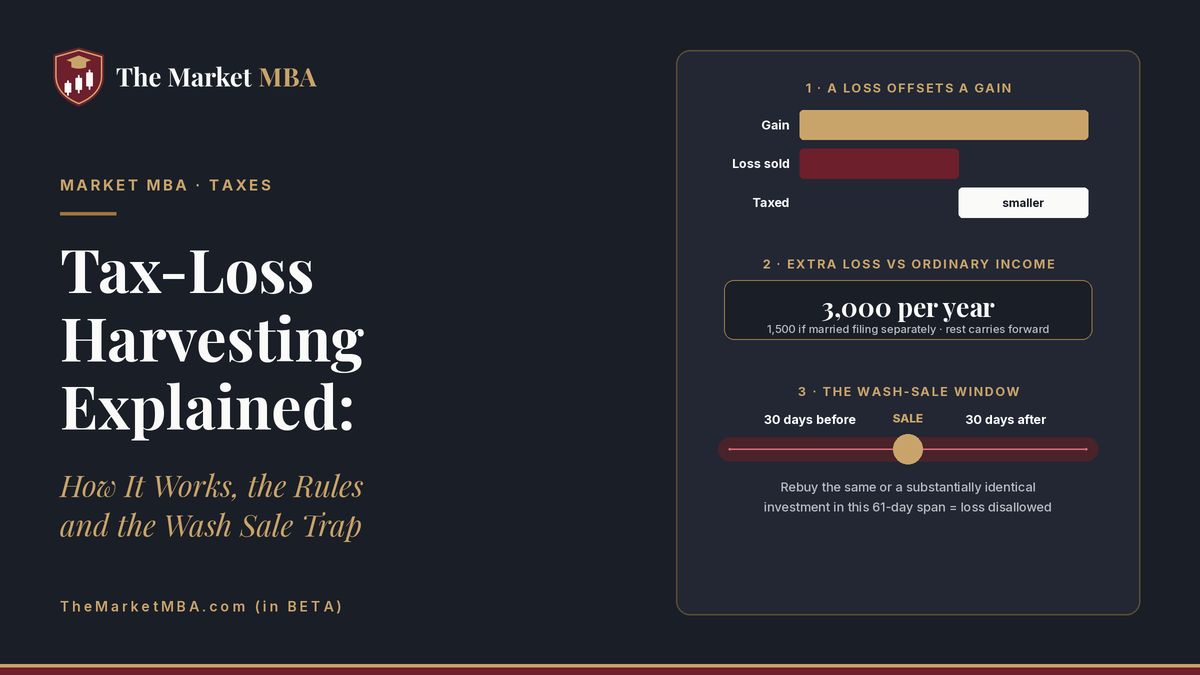
Tax-Loss Harvesting Explained: How It Works, the Rules and the Wash Sale Trap
Tax-loss harvesting explained in plain English: how selling at a loss can offset gains, the $3,000 limit, carryforwards and the 30-day wash sale rule.

Tax-loss harvesting explained in plain English: how selling at a loss can offset gains, the $3,000 limit, carryforwards and the 30-day wash sale rule.

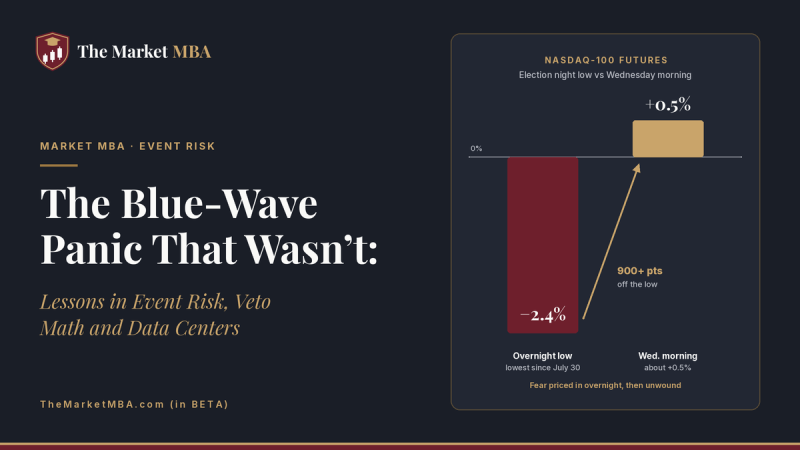
Wall Street rallied after the midterms, but chip and data-center stocks broke below their 200-day trend. The AI trade didn't crash. It split, and that split is a…

Overnight, traders treated the Democratic sweep like a wrecking ball aimed at the AI trade. By sunrise, the same traders were buying.

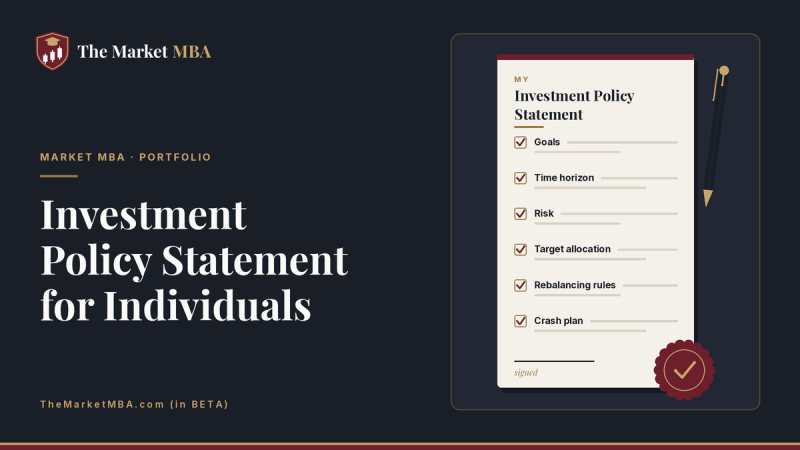
An investment policy statement is a short written plan for your money: goals, risk, target allocation, rebalancing and what to do when markets fall.

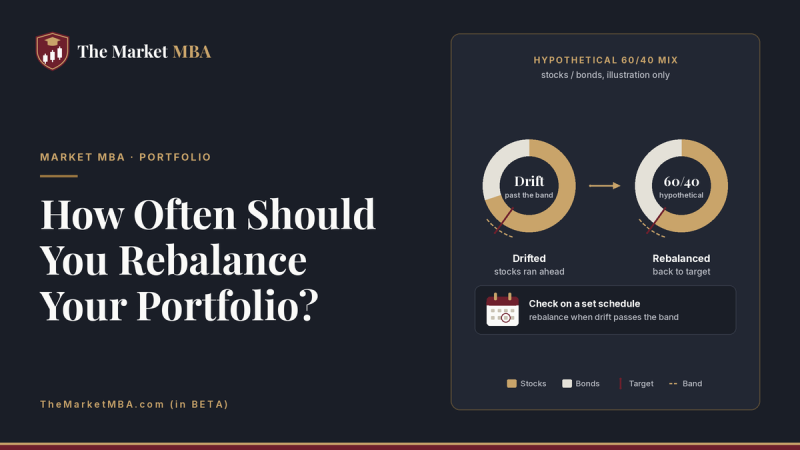
Many long-term investors check once or twice a year and rebalance only when an asset class drifts about 5 percentage points from its target.

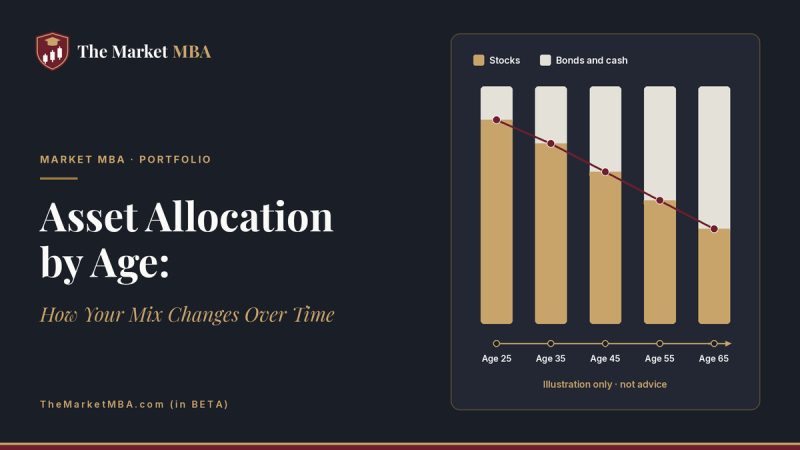
Age is a shortcut for time horizon: younger investors often hold more stocks, then shift toward bonds and cash as goals get closer.

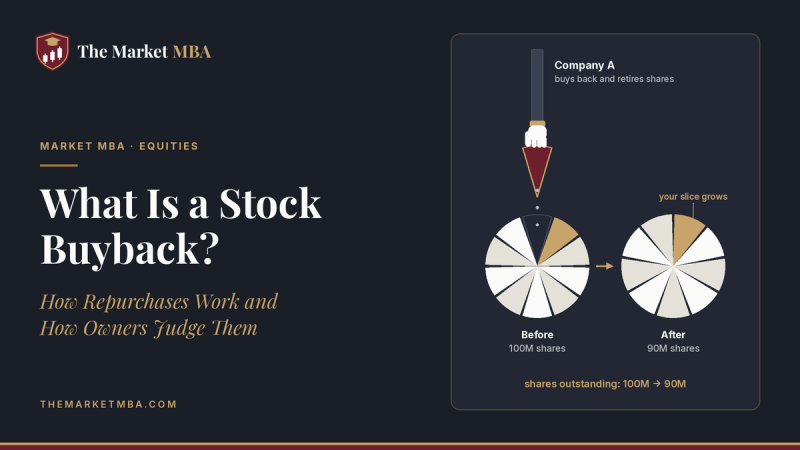
A stock buyback is when a company repurchases its own shares. It helps long-term owners only when the price paid is below what the shares are worth.

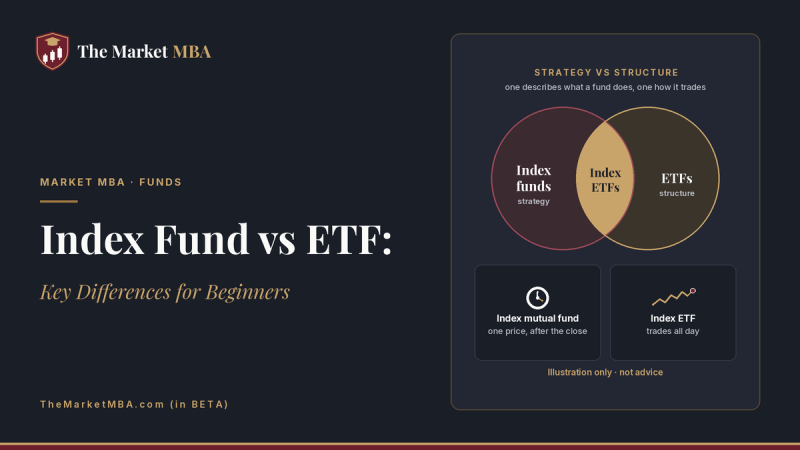
"Index fund" is a strategy and "ETF" is a structure. The real differences are trading, minimums, automatic investing and tax efficiency.

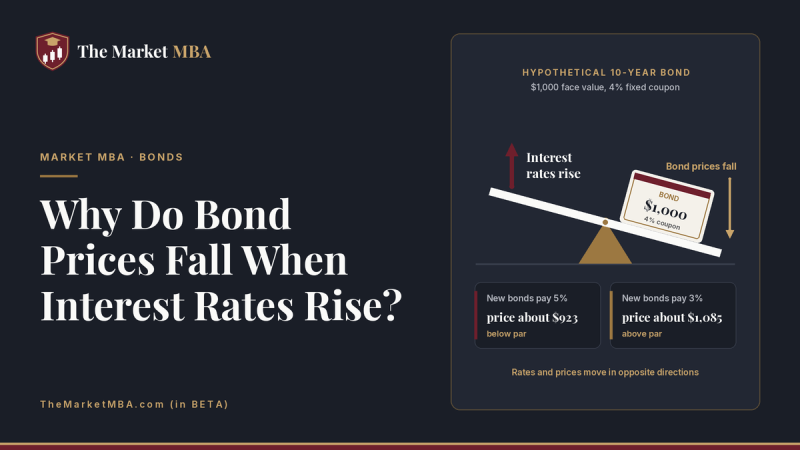
When market rates rise, new bonds pay more, so existing lower-coupon bonds lose value. The longer a bond's duration, the bigger the price drop.

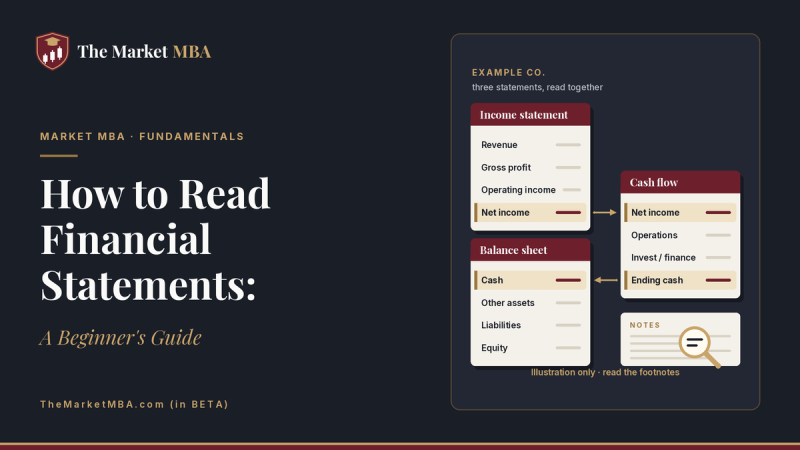
Read the three statements together: the income statement shows profit, the balance sheet what a company owns and owes, and cash flow the real cash.
Investors are very fearful right now. Historically, Extreme Fear has often been a contrarian buy zone, though readings can stay low for weeks.
Source: CNN Business Fear & Greed Index
NFA